
AKEDA / Our Work
Our Work
AKEDA’s regional mission is advanced through focused country engagement. Current economic capacity-building work centers on DR Congo, Mozambique and Angola, linking energy resilience, health supply chains, logistics and transportation with stronger data management systems, including GIS.
A regional mission with focused implementation
AKEDA’s mission spans Africa–Korea cooperation. Its current economic capacity-building work is focused on the Democratic Republic of the Congo, Mozambique and Angola.
This focus forms part of a deliberate implementation strategy: bringing country engagement, sector expertise and institutional cooperation together around national development priorities. AKEDA’s current leadership team and upcoming activities support this strategy, building the relationships and capabilities needed to advance sustained cooperation.
Across this work, priorities include energy resilience, health supply chains, logistics and transportation, and data management systems, including geographic information systems (GIS). These capabilities connect essential services and productive activity with the information institutions need to plan, coordinate and monitor development.
From priorities to coordinated activity
AKEDA’s approach connects dialogue on national priorities with technical scoping, partner coordination and the development of practical cooperation frameworks. Institutional capacity, knowledge transfer and long-term local capability guide this work.
Upcoming engagements will be presented as part of this implementation sequence. Public updates will identify the purpose of each activity and its contribution to the wider strategy as details are confirmed.
- Democratic Republic of the Congo: Economic capacity building through coordinated institutional engagement and sector planning.
- Mozambique: Economic capacity building through focused country engagement and the development of cooperation frameworks.
- Angola: Economic capacity building through focused country engagement and the development of cooperation frameworks.
Capital and Public-Private Partnerships
We support dialogue between public institutions, industry, and potential financing partners to define programs and assess appropriate cooperation models. This includes investment facilitation and the development of public-private partnership proposals.
Energy and Infrastructure
We connect expertise in renewable energy, electricity networks, water, transport, and digital infrastructure with development needs. Program discussions also consider energy security, resilience, and local capacity for operation and maintenance.
Technology and Industrial Cooperation
We support the exchange and adaptation of Korean industrial knowledge across manufacturing, smart cities, logistics, and digital systems. Cooperation begins with local operating conditions and the capabilities required to sustain delivery.
Policy and Multilateral Cooperation
We convene public institutions and relevant partners to discuss policy priorities, program frameworks, and cross-border coordination. National development plans provide the starting point for cooperation.
Knowledge and Capacity Building
We encourage technical training, educational exchange, applied research, and relationships between institutions. The objective is to strengthen the people and organizations that carry development forward.
Sector index
Our areas of interest include energy; water and essential infrastructure; transport and logistics; digital systems; manufacturing and industrial value chains; food security; mineral resources; economics and finance; and applied research and resilience.
Climate action with Net Zero 2050
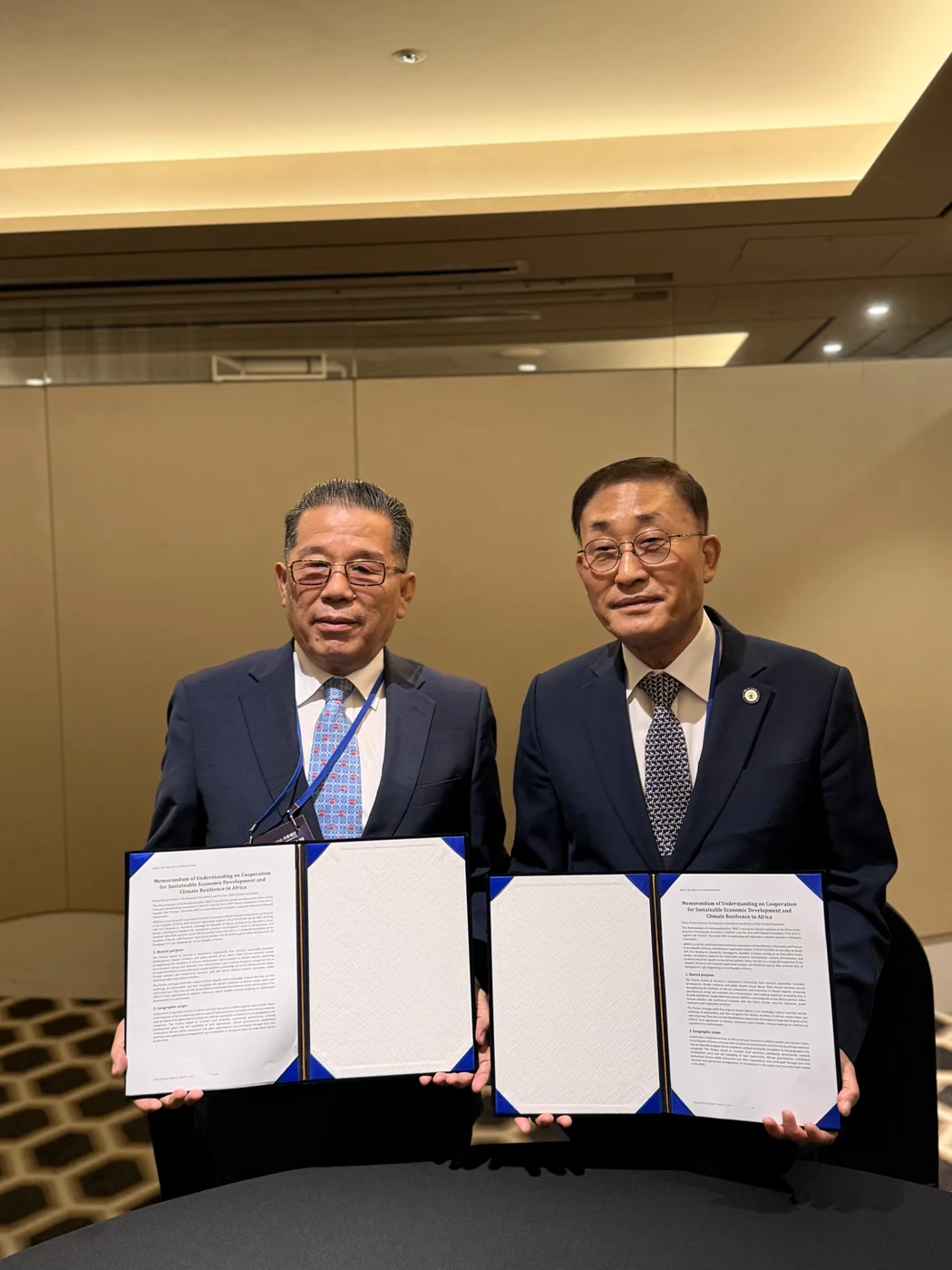
AKEDA collaborates with Net Zero 2050 Climate Foundation, a foundation formed under Korea’s Ministry of Foreign Affairs, to support sustainable economic development and climate resilience in Africa. The memorandum of understanding between the two organizations provides a basis for cooperation around these shared objectives.
Health supply chains and resilience
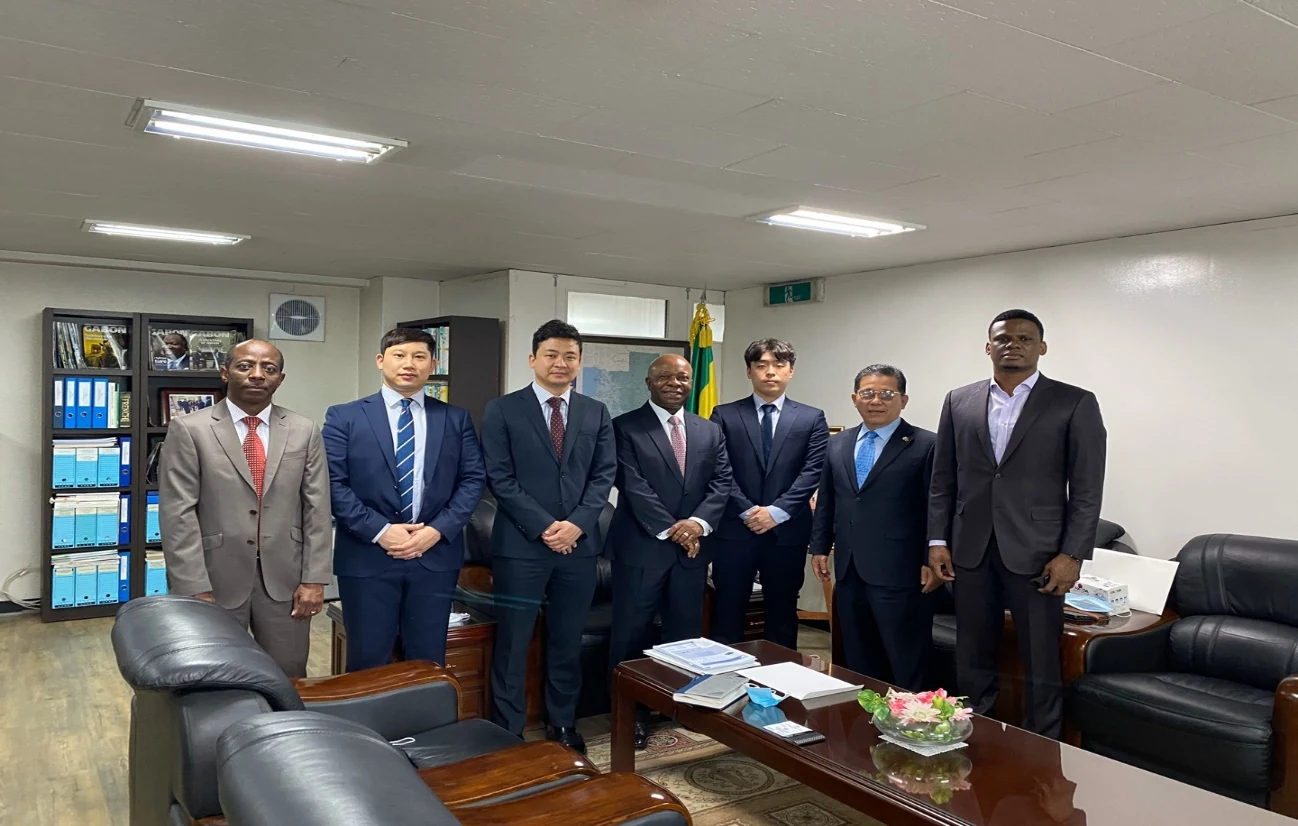
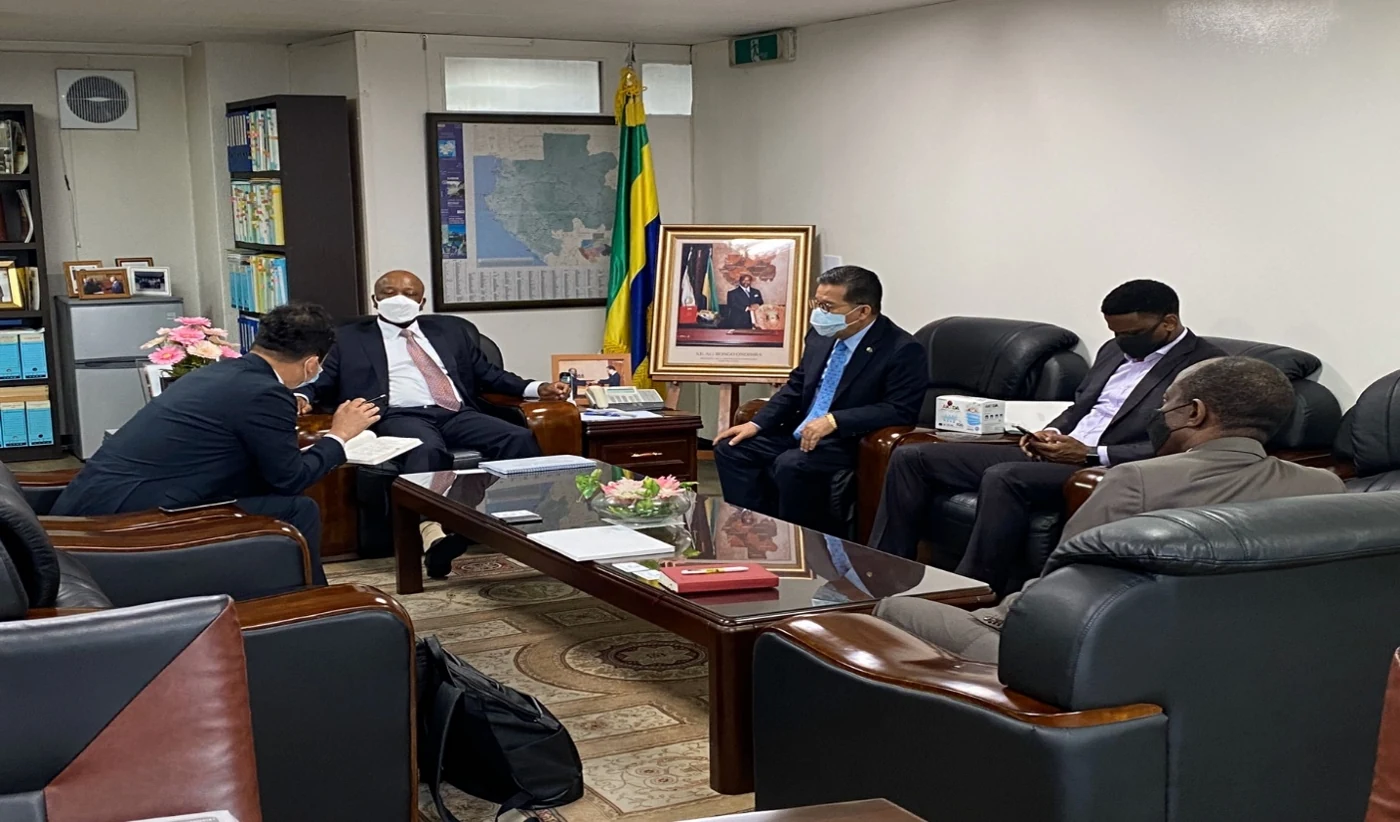
During the COVID-19 period, AKEDA’s cooperation materials documented engagement with a diagnostic-kit manufacturer and embassy representatives. These exchanges illustrate its effort to connect Korean health capabilities with African institutional needs, within the wider themes of global health supply chains and resilience building.
Sector context
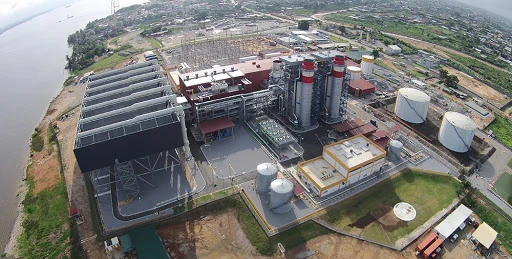
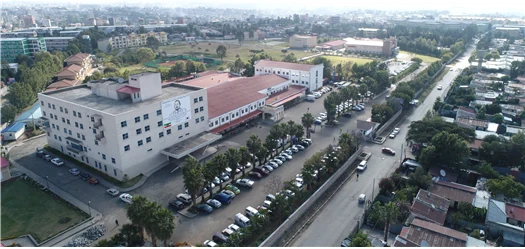
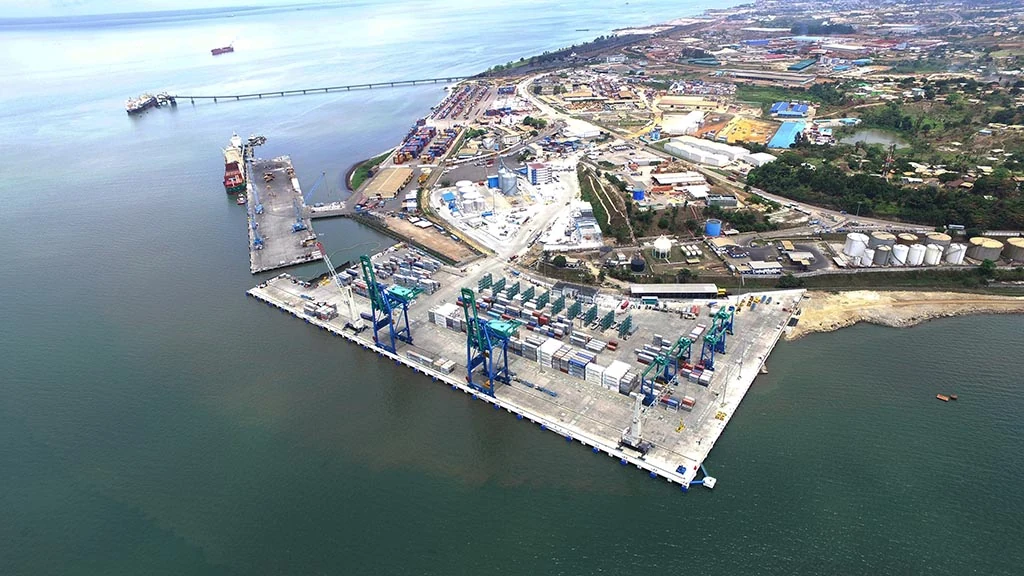
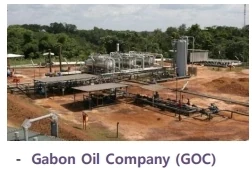
AKEDA’s materials illustrate cooperation opportunities in energy, health, ports and logistics. These photographs provide sector context; they are not claims of completed AKEDA projects.
AKEDA